

OCD therapy
Your mind doesn't have to work against you.
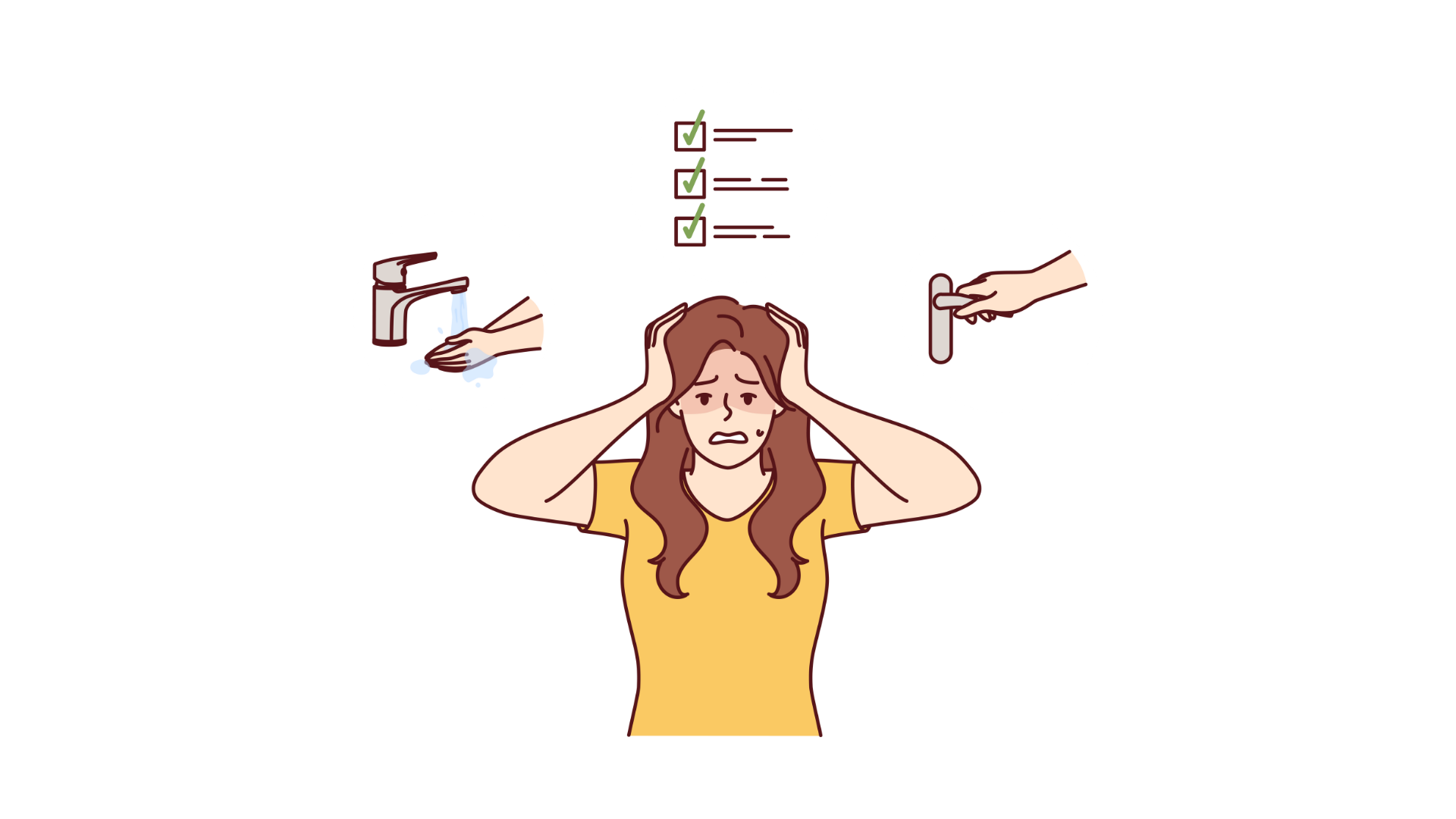
OCD therapy provides a path forward for professionals caught in exhausting cycles of intrusive thoughts and compulsive behaviors. If you have been searching for support that goes beyond surface-level strategies and helps you understand the deeper roots of your patterns, you have come to the right place. I am a psychiatrist serving adults in Lakeway, TX, and I specialize in helping driven individuals gain lasting insight into why their minds work the way they do.
OCD therapy at my practice is built on psychodynamic principles. Rather than simply managing symptoms, we work together to explore the underlying emotional and developmental factors that contribute to your experience. This approach suits professionals who want more than quick fixes. When you understand the origins of your patterns, you gain a kind of freedom that extends beyond symptom reduction. You develop a richer, more authentic relationship with yourself and your life.




Understanding OCD: More Than Just Habits
Obsessive-compulsive disorder is often misunderstood. Popular culture tends to portray OCD as a quirky preference for neatness, but the reality is far more complex. True OCD involves intrusive, unwanted thoughts that create significant anxiety, followed by repetitive behaviors performed to neutralize that anxiety. The cycle can be relentless.
For high-achieving professionals, OCD can be particularly challenging. You may have found ways to hide your symptoms from colleagues and loved ones, channeling your compulsions into behaviors that appear productive. Perhaps your checking behaviors get dismissed as thoroughness, or your need for order is seen as attention to detail. But internally, you know these patterns are not choices. They consume mental energy you would rather direct toward your career, relationships, and personal fulfillment.
The good news is that OCD responds well to appropriate treatment. With the right approach, you can break free from the cycle and reclaim your mental space.
A Psychodynamic Approach
My approach to treating OCD emphasizes understanding the unconscious processes, developmental experiences, and relational patterns that shape who we are. While many treatments focus primarily on behavioral techniques, I believe lasting change requires deeper exploration.
This does not mean we ignore your symptoms. Understanding why you developed these patterns often provides the missing piece that makes relief possible. When you connect present-day struggles to earlier experiences, you gain insight that empowers you to respond differently.
Many people with OCD have histories involving themes of control, uncertainty, or the need to prevent harm. Through our work together, we might explore what control meant in your family of origin, whether early experiences taught you that you were responsible for preventing bad outcomes, and how these beliefs shaped your sense of self. By examining these questions in a safe environment, you can begin to loosen the grip that OCD has on your life.
This approach is valuable for professionals who think deeply and want more than techniques to follow. If you value self-reflection and want to understand the "why" behind your experiences, this work may resonate with you.
Common Presentations in Professionals
Among the professionals I work with, I commonly see themes such as:
Perfectionism and fear of mistakes: An overwhelming need to ensure work is flawless, leading to excessive checking of emails, documents, or projects. This can result in missed deadlines and chronic dissatisfaction despite objective success.
Contamination concerns: Fears related to germs or illness that lead to elaborate cleaning or avoidance rituals.
Harm obsessions: Disturbing, unwanted thoughts about causing harm. These thoughts are completely contrary to your values, which is precisely why they cause such distress.
Need for symmetry or order: A compulsion to arrange items in specific ways or perform actions in particular sequences.
Relationship obsessions: Intrusive doubts about romantic relationships, including whether you truly love your partner or whether they are right for you.
Regardless of the specific presentation, the underlying dynamic is similar: an intolerance of uncertainty that drives a search for certainty through compulsive behavior.


What to Expect When Working With Me
Reaching out for help can feel vulnerable, especially if you are accustomed to being capable in other areas of life. My goal is to create a space where you feel genuinely seen and supported.
Intake Process: When you schedule your initial appointment, you will complete intake paperwork about your history and current concerns. While detailed, this paperwork serves an important purpose: by gathering background information in advance, we can use our time together to focus on what matters most to you. You will have the floor to share your story in your own words.
When booking, you will provide credit card information, but your card will not be charged until the appointment takes place.
Ongoing Care: After your initial appointment, you can book sessions through the patient portal at times that work for your schedule. If you are interested, there may be opportunities for reflection between sessions. Communication is handled through the portal, and I typically respond within 24 to 48 hours.
Personalized Approach: There is no one-size-fits-all protocol here. Your treatment is tailored to your unique history, your specific presentation, and your personal goals. We work together to determine what is right for you.
Serving Professionals in Lakeway, TX
I offer both in-person and online sessions, providing flexibility for busy professionals. Online sessions are conducted through a secure platform and are effective for many individuals. Whether you prefer meeting from home or the experience of in-person connection, I am here to support you.
If you are ready to explore what OCD therapy could look like for you, I encourage you to reach out. For information about scheduling and fees, please contact my office directly.

Frequently Asked Questions About OCD Therapy
-
OCD therapy specifically targets the obsessive thoughts and compulsive behaviors that characterize this condition. In my practice, this means combining psychodynamic exploration with targeted attention to your symptoms.
-
OCD involves intrusive thoughts that cause significant anxiety, paired with repetitive behaviors you feel compelled to perform. A thorough evaluation can help clarify whether OCD is the appropriate diagnosis.
-
Yes. OCD is treatable regardless of duration. The psychodynamic approach is particularly valuable for long-standing patterns because it addresses deeply rooted dynamics.
-
Sessions are conversational and collaborative. You share what has been on your mind, and together we explore themes and patterns relevant to your experience.
-
Duration varies depending on symptom severity and your goals. We regularly discuss progress and adjust our approach as needed.
-
Absolutely. Mental rituals such as reviewing, counting, or neutralizing thoughts are just as treatable as visible compulsions.
-
Many people with OCD have thoughts that feel shameful. You can share these in a judgment-free environment where they are understood as symptoms rather than reflections of who you are.
-
Psychodynamic therapy emphasizes understanding the emotional conflicts and experiences that contribute to OCD, supporting deeper and more lasting change.
-
Yes. Both online and in-person options are available and effective.
-
Reach out through my website to schedule an initial appointment. You will complete intake paperwork beforehand so we can use our time together effectively.

White Orchid Psychiatry is a specialized mental health practice in Lakeway, TX, providing expert medication management and psychodynamic psychotherapy for adults. Led by Dr. Austin Casey, MD, the clinic focuses on treating anxiety, depression, OCD, and professional burnout through a holistic, evidence-based framework. By balancing biological treatments with deep psychological insight, White Orchid Psychiatry empowers high-functioning individuals to overcome intrusive patterns, achieve emotional balance, and foster long-term resilience.